 Skip to content

The Great College Advice Team
About Our Team
The team of college admissions consultants at Great College Advice works together to leverage our knowledge and experience to make the college admissions process both productive and successful. At the core, we are educators, with experience as classroom teachers, academic advisers, admissions officers, writers, and marketers. We understand what it takes to succeed in the highly-charged, competitive world of college admissions.
At Great College Advice, we employ a highly collaborative approach. We share ideas, discuss how best to help particular students, and cooperate to ensure that every one of our clients benefits from our collective expertise. Our goal is to provide more than just college admissions guidance. We aim to provide educational wisdom.
While we have had a variety of educational and professional experiences, we all have attended some of the most selective colleges and universities in the country, including Dartmouth, Northwestern, Tufts, USC, Columbia, Cornell, Colgate, and the University of Pennsylvania. Each of us have earned graduate degrees or have received advanced training in education.

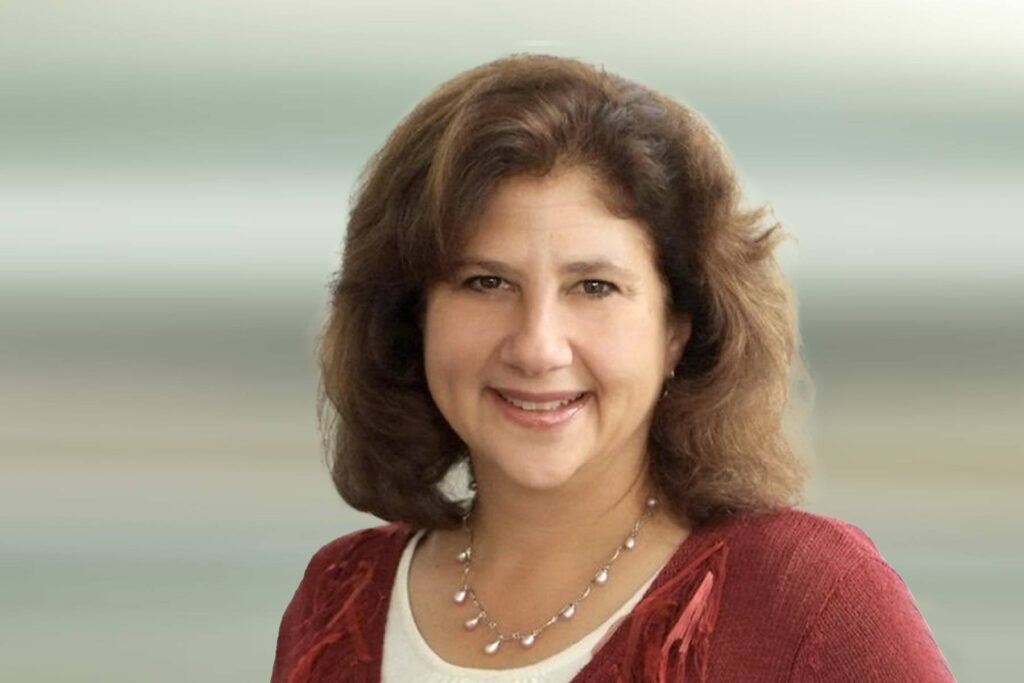
Andrea Aronson
Andrea leads our New Jersey office. She holds an MBA from the Wharton School and a certificate in college counseling from UCLA. As a marketing expert, she helps students shine.
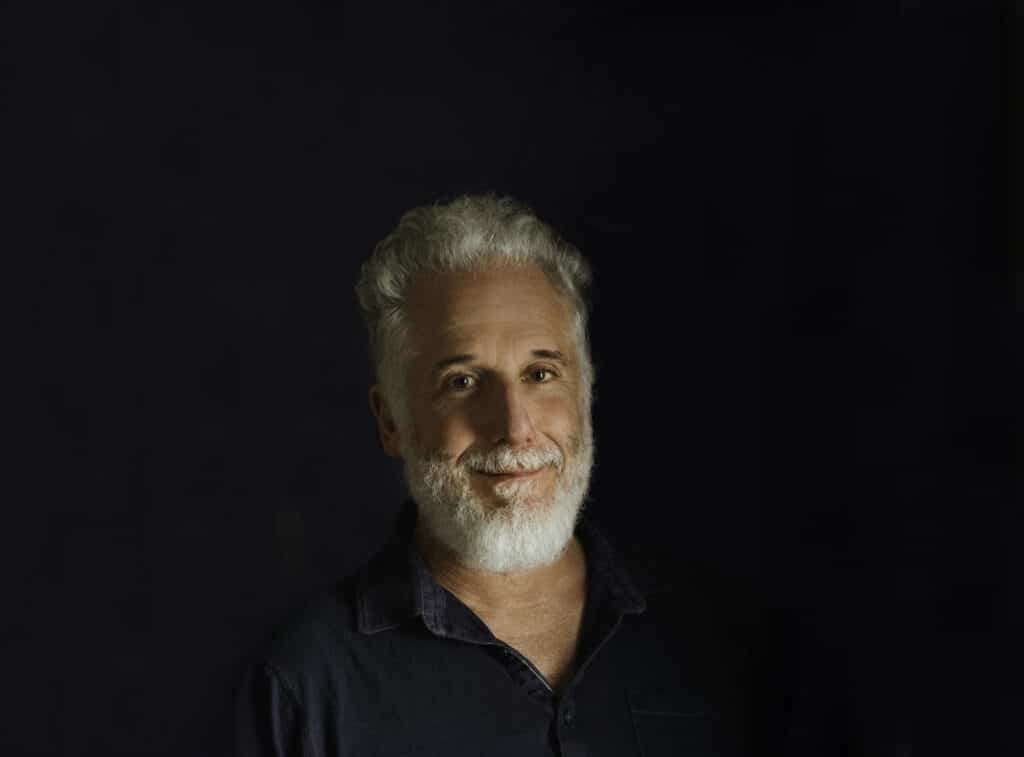
Jamie Berger
Jamie Berger leads our New England office. As an experienced academic coach and writer, Jamie mentors students to be the best possible version of themselves.

Sarah Farbman
Sarah Farbman leads our office in Chicago, Illinois. Sarah has studied and worked in higher education policy, holding degrees from Grinnell and Northwestern.
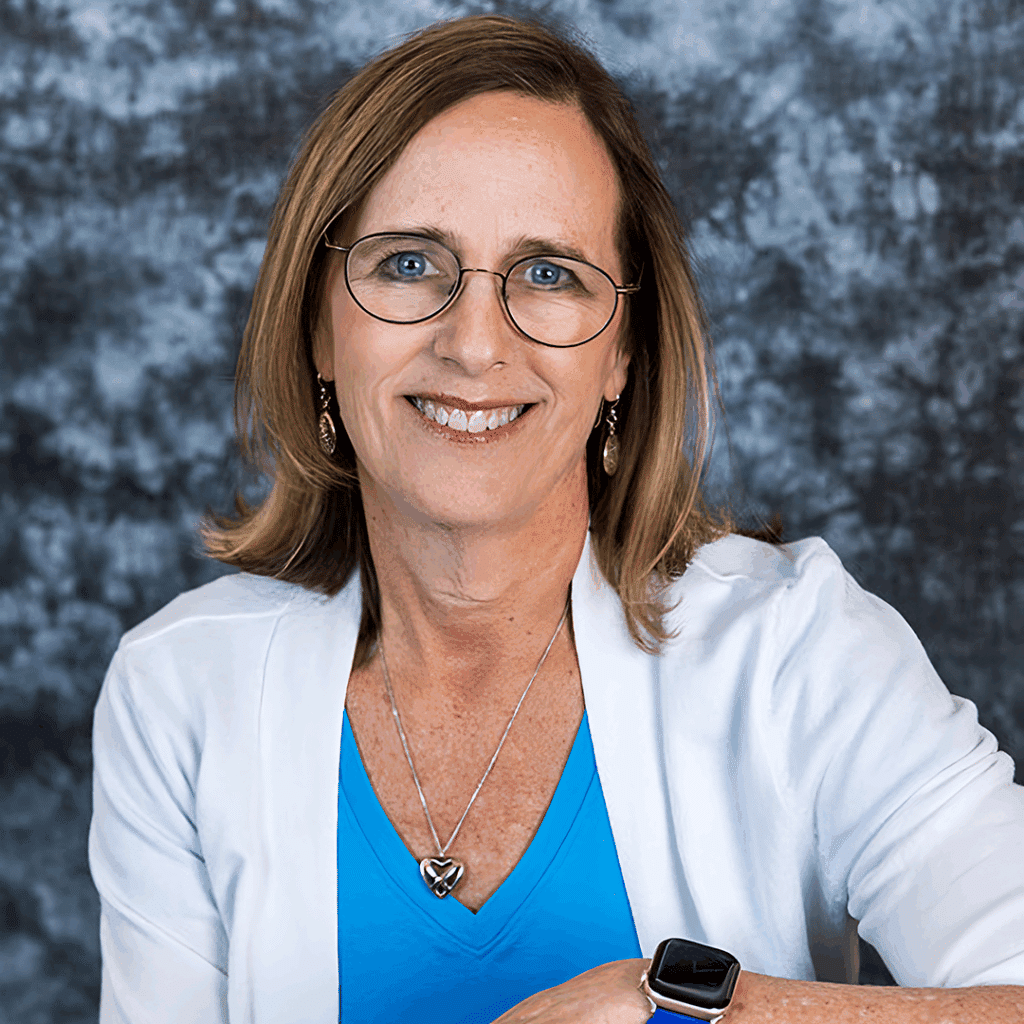
Pam Gentry
Pam Gentry heads up our Denver, Colorado office. With a degree in education from Dartmouth College, Pam has worked in K-12 education for more than 10 years.

Jeanette Hadsell
Jeanette heads up our Southeast practice from her base in North Carolina. She has over twenty years of experience as a high school college counselor.

Sarah Myers
Sarah Myers leads our Boulder, Colorado office. She holds a B.A. in Psychology from Colgate University and a Master’s in Counseling Psychology from the University of Colorado.

Jared Hobson
Jared serves as President of Great College Advice. He holds an MBA from the Johnson Graduate School of Management at Cornell University.